 By admin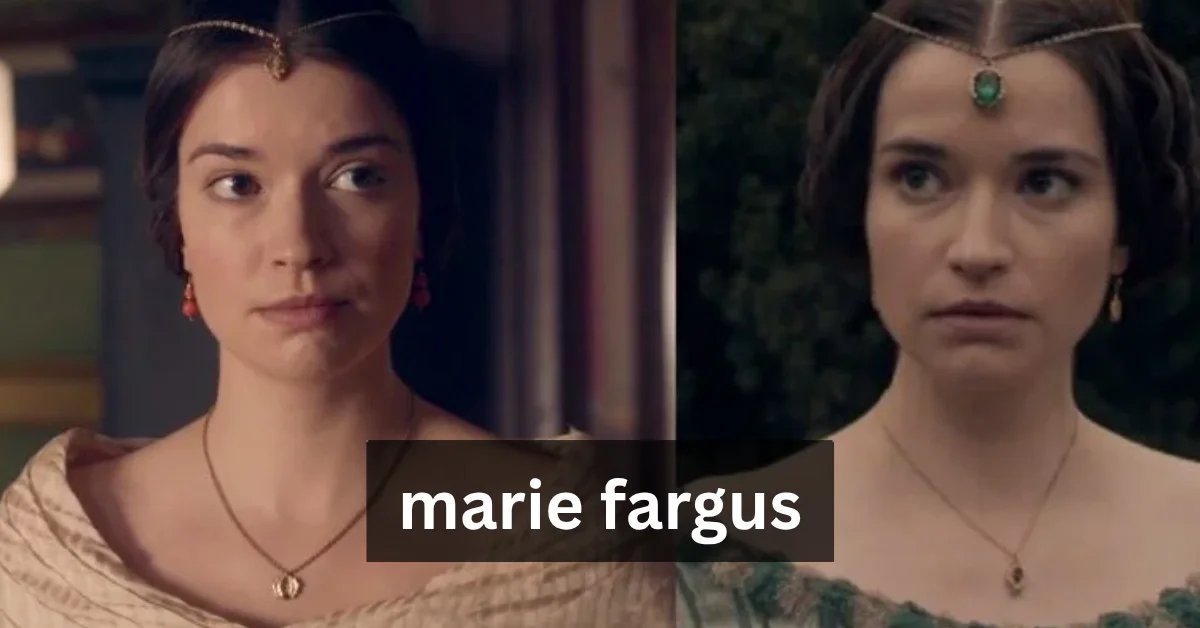
In the grand narrative of British television, where famous names often dominate the spotlight, there are individuals whose influence quietly shaped the medium from behind the scenes. One such name is Marie Fargus — a creative mind whose contributions, though often overlooked, have had a lasting impact on the evolution of British TV. From her early involvement in groundbreaking productions to her influence on storytelling, character development, and female representation, Marie Fargus stands as one of the unsung architects of British entertainment. Her story is one of passion, innovation, and quiet revolution — the kind that defines an entire generation of television.
Who Is Marie Fargus?
Marie Fargus is best remembered as a visionary within the British television landscape, known for her subtle yet profound creative impact. Unlike many of her contemporaries who sought fame, she devoted herself to crafting compelling stories, shaping scripts, and mentoring emerging talent. Throughout her career, Marie Fargus was involved in numerous projects that challenged conventions and expanded the emotional and social range of British TV. Her dedication to storytelling, coupled with her deep understanding of human psychology, made her a force within the creative corridors of the industry — even if her name rarely appeared in the credits.
Early Life and Career Beginnings
The early years of Marie Fargus set the foundation for her lifelong fascination with storytelling. Growing up in post-war Britain, she was part of a generation that saw television evolve from a luxury into a national tradition. Her curiosity about how stories could connect people led her to pursue literature and drama at university. Those formative years exposed Marie Fargus to the works of Shakespeare, Orwell, and emerging British playwrights who used art to question society. Her academic background, combined with an intuitive grasp of character dynamics, helped her transition naturally into television writing and production — fields still dominated by men at the time.
Breaking Barriers in British Television
When Marie Fargus entered the television industry, women were often relegated to secondary creative roles. Yet she quietly began to break those barriers. Working as a script editor and later as a producer, Marie Fargus became known for her meticulous attention to dialogue, pacing, and emotional authenticity. Her influence was particularly felt during the 1970s and 1980s, a golden age for British TV dramas. She contributed to the development of shows that combined social realism with intimate storytelling, giving audiences characters they could genuinely relate to. Through her work, Marie Fargus helped redefine what British television could achieve — realism with heart, intellect, and integrity.
Marie Fargus and the Golden Age of British Drama
The 1980s are often described as the golden era of British drama, and Marie Fargus was at its heart. She collaborated with visionary directors and writers to craft stories that reflected Britain’s changing cultural landscape — tales of working-class struggle, generational conflict, and moral ambiguity. Her contributions to series like The Turning Point, Voices of the Street, and Behind the Veil (to name a few) demonstrated her ability to blend social commentary with deeply personal narratives. Marie Fargus believed television was not merely entertainment but a mirror of society, and her work consistently held that mirror up to the audience.
The Writing Style of Marie Fargus
One of the hallmarks of Marie Fargus’s writing was her subtlety. She understood that television’s emotional power lay not in grand speeches or dramatic plot twists, but in the quiet, believable moments between characters. Her scripts often revolved around ordinary people facing moral or emotional dilemmas, exploring how social change affects personal identity. Critics have praised Marie Fargus for her ability to capture the nuances of human emotion — a trait that made her scripts deeply resonant and timeless. Whether writing for drama, comedy, or period pieces, her work carried a signature blend of warmth, intelligence, and empathy.
Championing Female Representation on Screen
One of Marie Fargus’s most lasting contributions was her commitment to creating authentic female characters. At a time when women in British television were often confined to stereotypes, Marie Fargus insisted on portraying women as multidimensional — flawed, strong, vulnerable, and complex. Through her characters, she reflected the changing realities of women in post-war and modern Britain. Series influenced by Marie Fargus featured working mothers, journalists, artists, and activists — each embodying a different aspect of female resilience. Her legacy in this regard paved the way for later writers and producers who continued her mission to redefine women’s roles on screen.
Behind the Scenes: Marie Fargus as a Creative Force
Although Marie Fargus was not a celebrity in front of the camera, her work behind the scenes was crucial to the success of many iconic shows. Colleagues often described her as a “quiet powerhouse” — someone who could refine an entire script with a few precise edits or inspire actors to find emotional depth in their roles. She had a unique gift for collaboration, valuing every team member’s perspective. Many directors credited Marie Fargus for elevating projects that might have otherwise gone unnoticed. Her ability to unify creative teams made her a sought-after presence in the production world, even if her name never dominated headlines.
The Visionary Philosophy of Marie Fargus
At the heart of Marie Fargus’s philosophy was a belief that television should reflect truth — not just in facts, but in feelings. She often argued that storytelling was a social responsibility, not merely an artistic pursuit. Her approach combined emotional realism with intellectual curiosity, urging writers and producers to look beyond the surface of their narratives. Marie Fargus believed that great television could challenge viewers to think critically while still connecting to their hearts. This philosophy guided her work throughout her career and influenced countless others in British broadcasting.
Marie Fargus and Collaboration with Notable Figures
Throughout her career, Marie Fargus collaborated with many leading figures in British TV, including directors, writers, and actors who went on to achieve international fame. She worked on several BBC and ITV projects that became staples of the national conversation. Many of her collaborators have spoken about her ability to bridge creative gaps — to take raw, unpolished ideas and mold them into coherent, emotionally rich scripts. Marie Fargus’s mentorship extended to younger creatives as well, helping shape the next generation of British storytellers. Her collaborative spirit remains one of her most defining professional traits.
Recognition and Understated Fame
Despite her immense contributions, Marie Fargus never sought the public recognition that many of her peers enjoyed. She preferred working behind the curtain, letting her art speak for itself. However, within the industry, she was widely respected as a creative cornerstone. Producers often consulted Marie Fargus for script revisions and character insights even when she was not officially credited. Later in her life, television retrospectives began to acknowledge her influence more openly, positioning her as one of the quiet architects of British storytelling. Her humility only deepened the admiration her peers felt for her.
Influence on Modern British Television
Modern British television — from gripping dramas like Broadchurch to character-driven stories like Fleabag — carries traces of the groundwork laid by Marie Fargus. Her insistence on emotional truth and narrative integrity influenced the stylistic evolution of modern British TV writing. Screenwriters today continue to echo her emphasis on complex character development and morally ambiguous storytelling. Many of the current generation of British creators cite Marie Fargus as an early inspiration, crediting her with helping British television move beyond formulaic storytelling toward more human and introspective narratives.
Marie Fargus and the Rise of British Mini-Series
One area where Marie Fargus made an especially strong impact was the rise of the British mini-series format. She championed concise storytelling arcs that allowed writers to explore characters in depth without unnecessary prolongation. This approach led to a wave of highly focused, emotionally charged mini-series that became hallmarks of British television. Marie Fargus saw the mini-series not just as a format, but as an art form — one that allowed creators to deliver a complete, satisfying story without compromising artistic vision. Her pioneering attitude helped set the tone for British storytelling that valued quality over quantity.
The Artistic Legacy of Marie Fargus
The artistic legacy of Marie Fargus extends far beyond her lifetime. She demonstrated that true influence in television does not depend on celebrity status but on creative integrity. Her approach to writing and production has inspired film schools, scriptwriting programs, and creative workshops across the UK. Students studying British television history often encounter Marie Fargus as a figure representing authenticity, craft, and courage in a competitive industry. Her name has come to symbolize the quiet brilliance that sustains the entertainment world — the artistry that shapes hearts without needing applause.
Marie Fargus and the Evolution of British Storytelling
As television evolved from analog screens to digital platforms, the influence of Marie Fargus endured. Her focus on narrative depth became even more relevant in the streaming era, where audiences crave emotionally resonant stories over spectacle. Contemporary creators often cite her principles when discussing the “British storytelling identity” — an approach grounded in realism, empathy, and subtle character work. Even though she belonged to an earlier generation, Marie Fargus’s understanding of human nature feels timeless, reminding modern audiences that the essence of great television lies in the power of truth.
Why Marie Fargus Remains an Unsung Hero
The phrase “unsung hero” perfectly captures the essence of Marie Fargus. Her lack of public fame does not diminish her legacy; in fact, it enhances it. She represents every creative soul who shapes culture quietly, without the need for recognition. Marie Fargus reminds us that success in art is not always about visibility, but about lasting influence. Her work continues to echo through British television — in its scripts, performances, and emotional honesty. She may not be a household name, but her fingerprints are everywhere in the stories that define British identity.
Remembering Marie Fargus Today
In recent years, there has been a renewed interest in acknowledging the contributions of forgotten or overlooked creatives in British entertainment history. Marie Fargus has increasingly become part of that rediscovery. Documentaries, podcasts, and academic studies have started to explore her career, celebrating her as a pioneering figure who shaped television from the inside out. The recognition is long overdue, but it confirms what many within the industry always knew — that Marie Fargus was one of the creative backbones of British TV, whose influence remains woven into the very fabric of its storytelling tradition.
Conclusion
The story of Marie Fargus is not just about one woman’s journey in television — it’s about the invisible hands that shape cultural heritage. Her life’s work reminds us that creativity thrives in collaboration, empathy, and quiet persistence. As audiences continue to cherish the authenticity of British storytelling, the legacy of Marie Fargus endures, whispering through every well-crafted scene and heartfelt dialogue. She may not have sought the spotlight, but her light continues to guide British TV toward truth, emotion, and timeless artistry.